When a new product, line or production method moves from development into routine manufacture, the evidence needed by different teams changes quickly. Engineers want to prove that the process works. Operations leaders need confidence that it can be repeated at the required rate. Commercial teams need a clear story for customers and investors. Industrial video production can connect those needs by documenting the decisions, checks and people behind a successful scale-up.
A useful process-validation film is not simply a montage of machinery running. It is a carefully planned record of how an organisation moves from a controlled trial to dependable output. The strongest films make technical progress understandable without removing the detail that gives the work credibility. They also create a reusable communication asset for internal reviews, customer conversations, training and future improvement projects.
Show the journey from trial to repeatable production
Early-stage manufacturing often looks impressive on camera because it is new, closely supervised and surrounded by specialists. The real story begins when the process must perform consistently across shifts, materials and operators. A video can show that transition by combining development footage with shots of production preparation, tooling checks, quality gates and the first repeatable batches.
That narrative helps viewers understand what has been learned. Instead of claiming that a process is ready, the film can show the evidence: a parameter being checked, a sample being measured, an inspection result being reviewed and an operator confirming the standard. These moments give a scale-up story a practical structure. They also let a technical audience see where controls sit in the wider production flow.
Plan the validation story before the cameras arrive
Process-validation filming works best when the production team and video team agree on the communication job in advance. A short planning session should identify the intended viewers, the decisions the film needs to support and the points where confidentiality or safety controls affect filming. It should also map the process in the order that makes sense to an outside viewer, which may not be the order in which the factory normally describes it.
A shot plan can then cover the full chain: incoming material, setup, critical operations, in-process checks, finished-product inspection and handover. Interviews should be prepared around specific proof points rather than broad requests to talk about the project. An engineer might explain why a control was introduced, while a production lead describes how the method fits a normal shift. This division keeps the film concise while preserving expert voices.
Make technical evidence visible and understandable
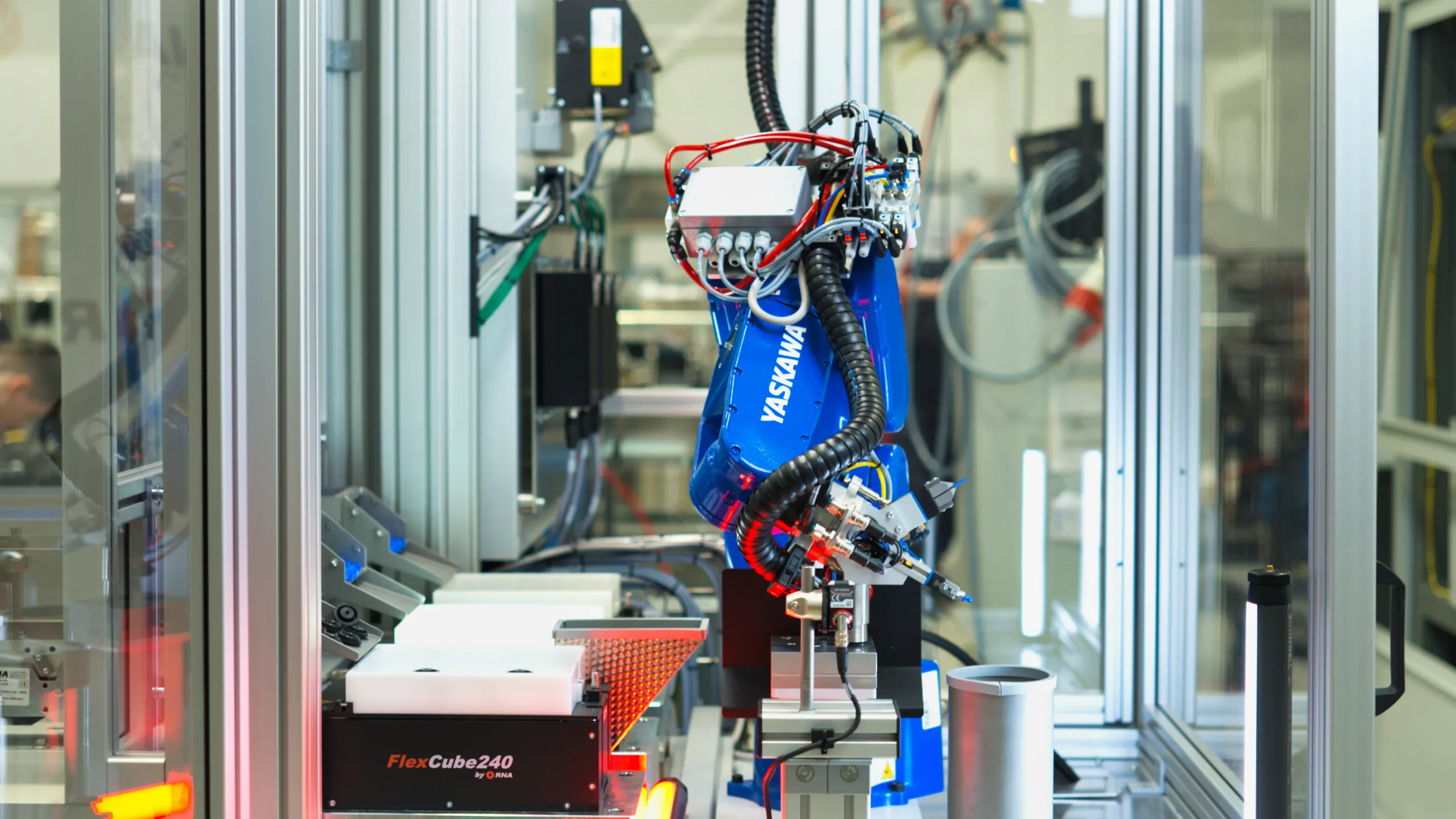
Many important validation activities are visually small. A tolerance may be confirmed on a screen, a surface may be inspected under a lamp, or a batch record may be signed at a workstation. These details need deliberate coverage: close-ups, stable compositions, cutaways of instruments and clear explanations of what the viewer is seeing. Captions and simple graphics can add context without turning the film into a presentation full of unexplained figures.
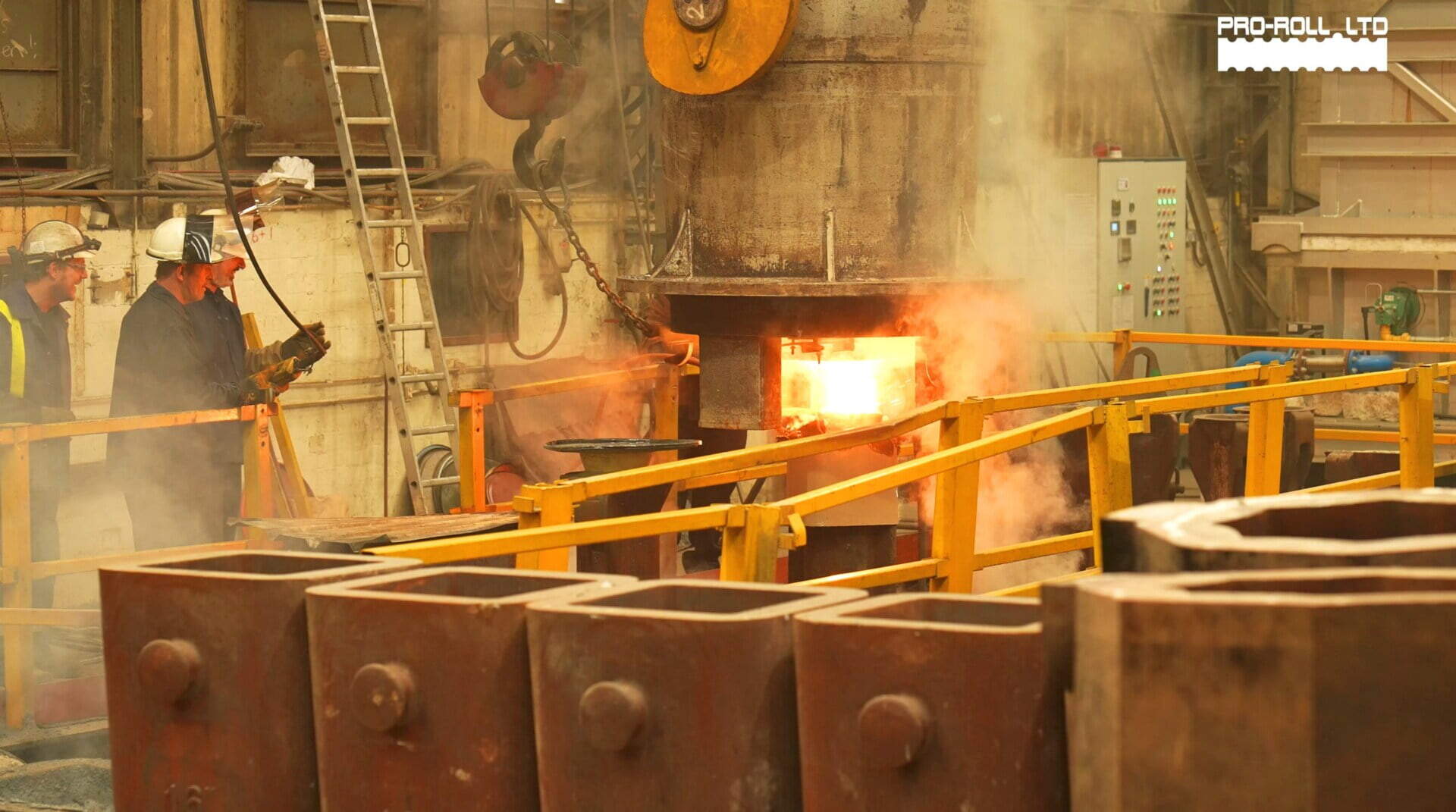
It is also important to distinguish demonstration from proof. A dramatic shot of a machine gives scale and energy, but it does not explain repeatability. Pairing that image with a technician checking output or a supervisor reviewing trends creates a stronger sequence. For advice on communicating complex industrial work clearly, the industrial video production service page provides a useful starting point.
Capture the people who make scale-up work
Scale-up is a team activity, and the best films show the handovers between disciplines. Product development, engineering, quality, maintenance and production may all have different responsibilities, but the process succeeds when their decisions line up. Short, focused interviews can reveal those relationships and explain why a change was made, how a risk was managed and what a successful shift now looks like.
These contributions also make the finished film more useful internally. New team members can see who owns each stage and why standards matter. Existing teams can recognise their own work and use the film as a shared reference during improvement discussions. Filming real experts in the environment where the work happens gives the message more authority than a generic corporate explanation.
Build a content package that keeps working
One carefully planned shoot can produce more than a single film. The main process-validation story might support a project review or customer presentation. Shorter edits can explain a particular operation, introduce a new capability or provide an overview for a sales meeting. Stills and short vertical clips can give the project a longer life across internal channels and social media.
For manufacturers, this approach is especially valuable when a successful scale-up becomes a reference point for future work. A well-organised library of interviews, process shots and approved graphics can support later manufacturing video production without asking the factory to repeat every filming opportunity. The result is a body of evidence that grows alongside the business.
Use the film to support the next decision
The purpose of a validation film should be clear before the final edit is approved. If the audience is a customer, the emphasis may be confidence in capability, controls and delivery. If the audience is an internal investment board, the focus may be readiness, capacity and the remaining risks. If the film will support training, the edit may need slower demonstrations, labelled steps and a companion version with more operational detail.
When the message, evidence and audience are aligned, industrial video becomes part of the scale-up process rather than an afterthought. It turns hard-won technical learning into a clear record that people can understand, revisit and act on. For organisations moving a product or process towards dependable production, that clarity can be as valuable as the finished footage itself.