Environmental, social and governance reporting is becoming more practical for industrial businesses. Customers, investors, procurement teams and auditors increasingly want to understand not only what a company claims, but how those claims are supported by activity on the factory floor. A well-planned industrial video can turn complex sustainability work into clear, credible evidence that people can review and remember.
Video is not a replacement for measured data, certificates or formal reporting. Its value is that it gives those materials context. It can show the equipment, people, controls and routines behind a reduction in waste, a change in energy use or a safer way of working. For manufacturers with several sites, products or stakeholder groups, one carefully produced film can make progress easier to explain consistently.
Show the reality behind sustainability claims
Many sustainability statements are difficult to communicate because the most important work is operational. It may involve heat recovery, redesigned packaging, closed-loop water systems, more efficient motors, better segregation of waste or a revised maintenance schedule. These improvements are meaningful, but a spreadsheet alone rarely shows the decisions and behaviours that make them possible.
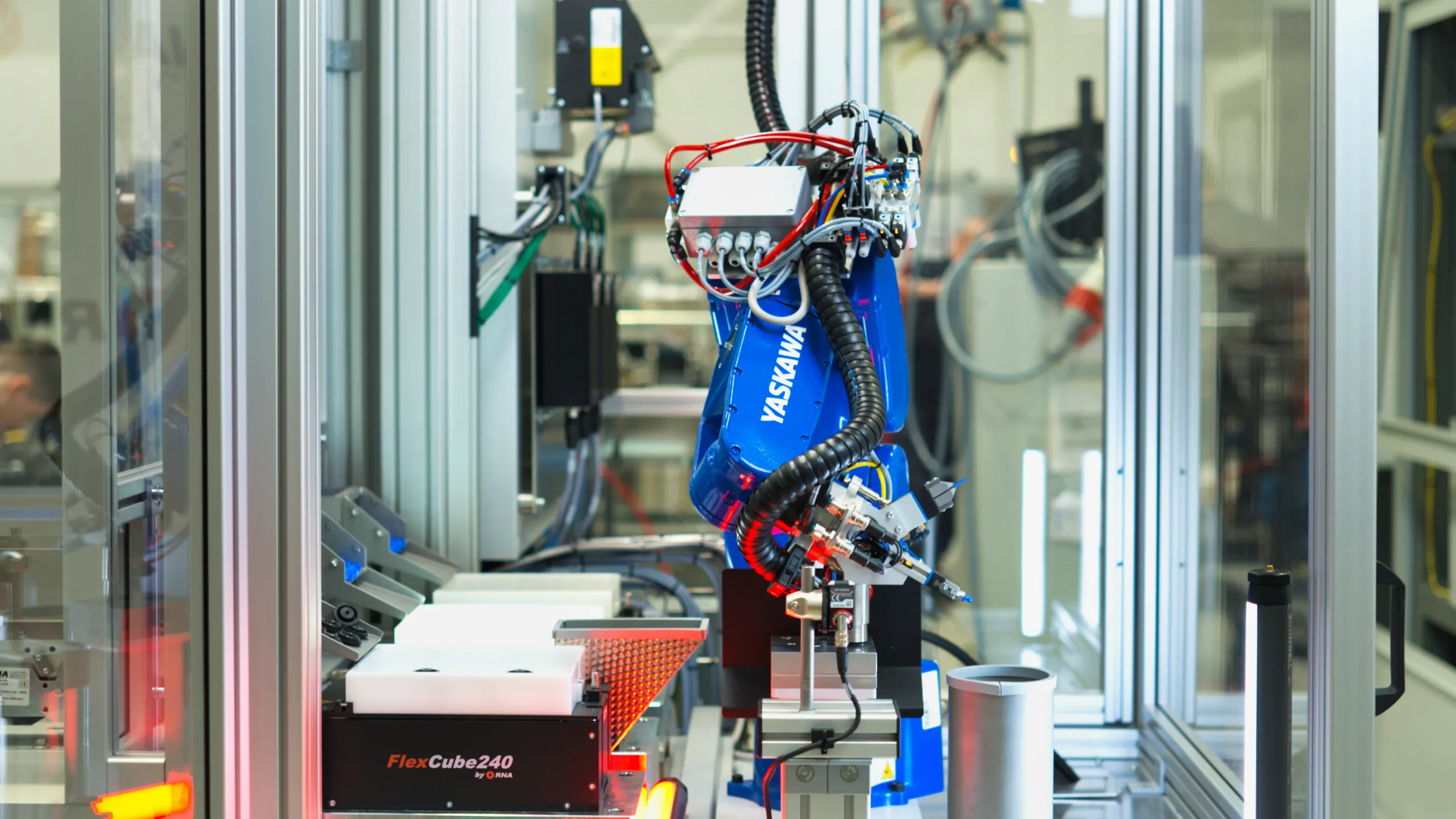
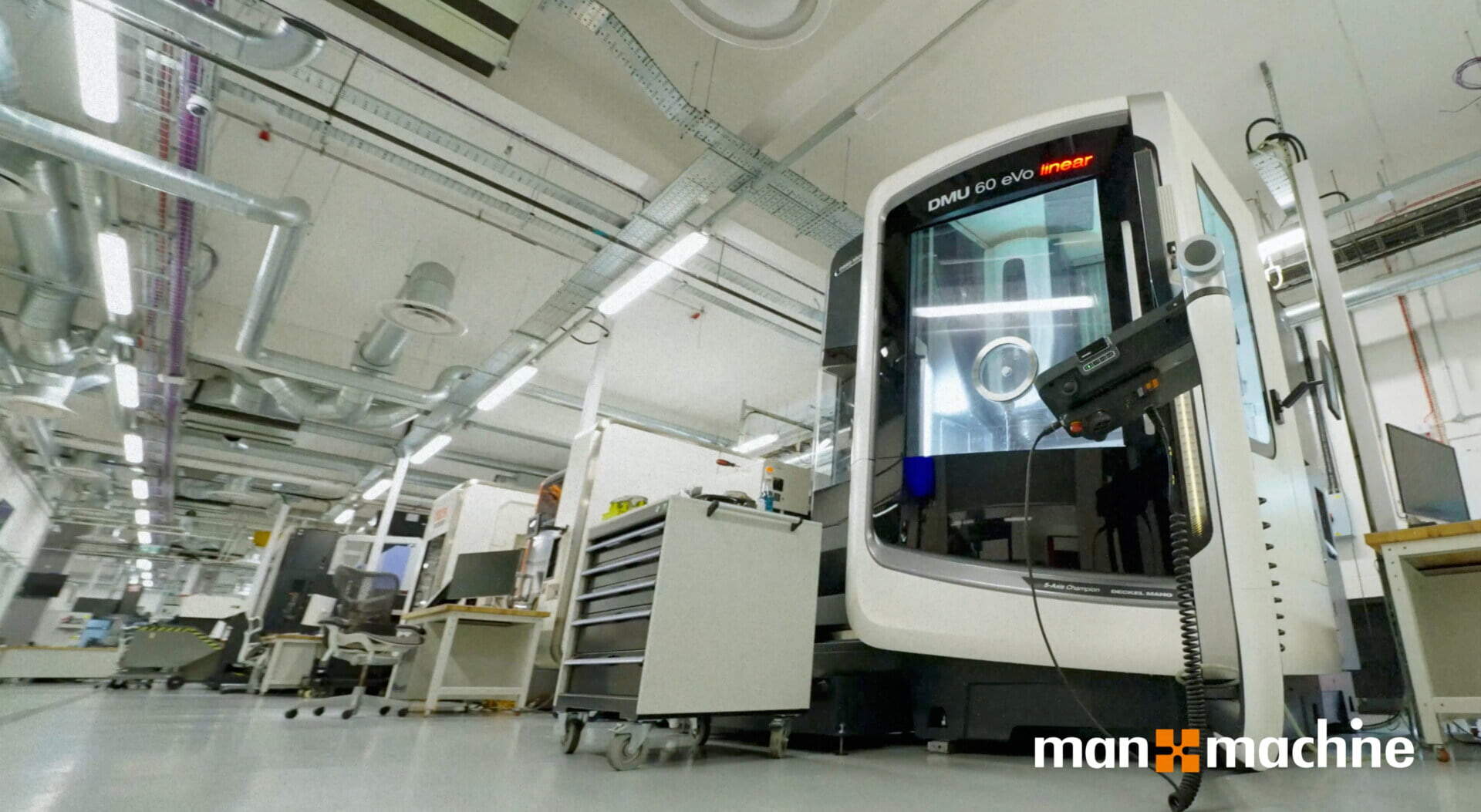
Industrial video production can follow the process from the wider site down to the detail that matters. A film might establish the scale of a facility, then move to the production line, the monitoring equipment and the team responsible for keeping the system performing. This visual sequence helps viewers connect an outcome with the practical intervention that produced it, while interviews add the reasoning and accountability behind the project.
Good planning is especially important when a video may support an ESG audit or customer assessment. The production team should agree which claims are evidenced, which figures can be shown on screen and which subjects need approval before filming. Clear signposting prevents a polished film from making vague promises and keeps the finished piece aligned with the company’s documented reporting.
Make evidence useful to auditors and customers
A sustainability film should be structured for real business use rather than treated only as a brand story. Short chapters can explain the baseline, the change introduced, the control measures used and the results achieved so far. On-screen labels can identify locations, equipment and responsible teams. Where figures are included, they should have a defined period, unit and source so that the video remains useful alongside formal documentation.
This approach is valuable during supplier reviews. A procurement team may not have time to visit every facility, but a concise, accurate film can help them understand the physical process before a meeting or audit. It can also give sales and account teams a consistent way to explain environmental improvements without asking every representative to interpret technical evidence from scratch.
Internal audiences benefit too. Sustainability targets often fail to become operational priorities when they remain remote from daily work. Showing how an energy project affects operators, engineers, maintenance staff and managers makes the shared responsibility visible. The video can then be reused in induction, toolbox talks, leadership updates and improvement workshops, with different edits created for different audiences.
Film responsibly in a live industrial environment
ESG evidence is only persuasive when the filming process respects the same standards it describes. A production schedule should work around permits, shift patterns, hygiene zones, personal protective equipment and safe access routes. The crew needs a clear understanding of where cameras can be positioned, which machinery may be approached and how filming will avoid disrupting production or creating an unsafe distraction.
Visual consistency also matters. A sustainability project may involve several departments and several visits, so the production should establish a repeatable shot list. Wide views can explain the facility, mid-shots can show the process and close details can reveal instrumentation, materials or control interfaces. Capturing clean ambient sound and natural actions gives the final film credibility without relying on exaggerated graphics or generic stock footage.
Interviews should be prepared around specific, verifiable questions. Instead of asking someone to describe the company as sustainable, ask what changed, how it is measured, what was difficult and what the next improvement will be. That produces more useful answers and gives viewers a realistic sense of progress. It also reduces the risk of a film sounding like a collection of unsupported slogans.
Build a reusable sustainability content library
One major project can create more than a single hero film. During the same shoot, the team can capture short clips for customer presentations, recruitment, internal communications, website pages and tender responses. A series of focused edits might cover energy management, waste reduction, responsible sourcing, workforce involvement and continuous improvement. Each asset can carry the same visual language while serving a different communication job.
Planning the library in advance protects the investment. The brief should identify likely aspect ratios, durations, subtitle requirements and delivery platforms before filming begins. It is also worth agreeing how claims will be reviewed and dated, because sustainability information can change as new targets are set. A well-organised archive makes it easier to update a section without recreating an entire production.
Industreel’s industrial video production service can help manufacturers plan filming around real operations and turn technical work into clear visual communication. For businesses that need a broader content system, manufacturing video production provides a practical route from site research and interviews to a set of usable films.
Turn progress into something people can understand
ESG communication works best when it connects evidence with people, places and decisions. Industrial video gives a sustainability programme a visible setting: the machine that uses less energy, the process that prevents waste, the engineer who monitors performance and the operator who follows the improved method. Those details help customers and colleagues understand that progress is built through repeatable action.
With accurate claims, careful access planning and a clear distribution plan, a sustainability video becomes more than a promotional asset. It becomes a durable explanation of how the business works, what it is improving and how it intends to measure the next step.