Production line changeovers are some of the most demanding periods in an industrial business. A familiar process is being altered while output still matters, teams are learning new routines, and customers or stakeholders want confidence that the transition is under control. Industrial video production can turn that complex period into a clear, useful record of how a new line, product format or operating method is brought into production.
The strongest changeover films are not simply a collection of machine shots. They show the decisions, preparation and practical knowledge that make a ramp-up work. That makes the finished video valuable to several audiences at once: production teams can use it for internal learning, sales teams can explain capability to prospects, and leadership can communicate progress without reducing a complicated programme to a few statistics.
Why Changeovers Are Worth Documenting
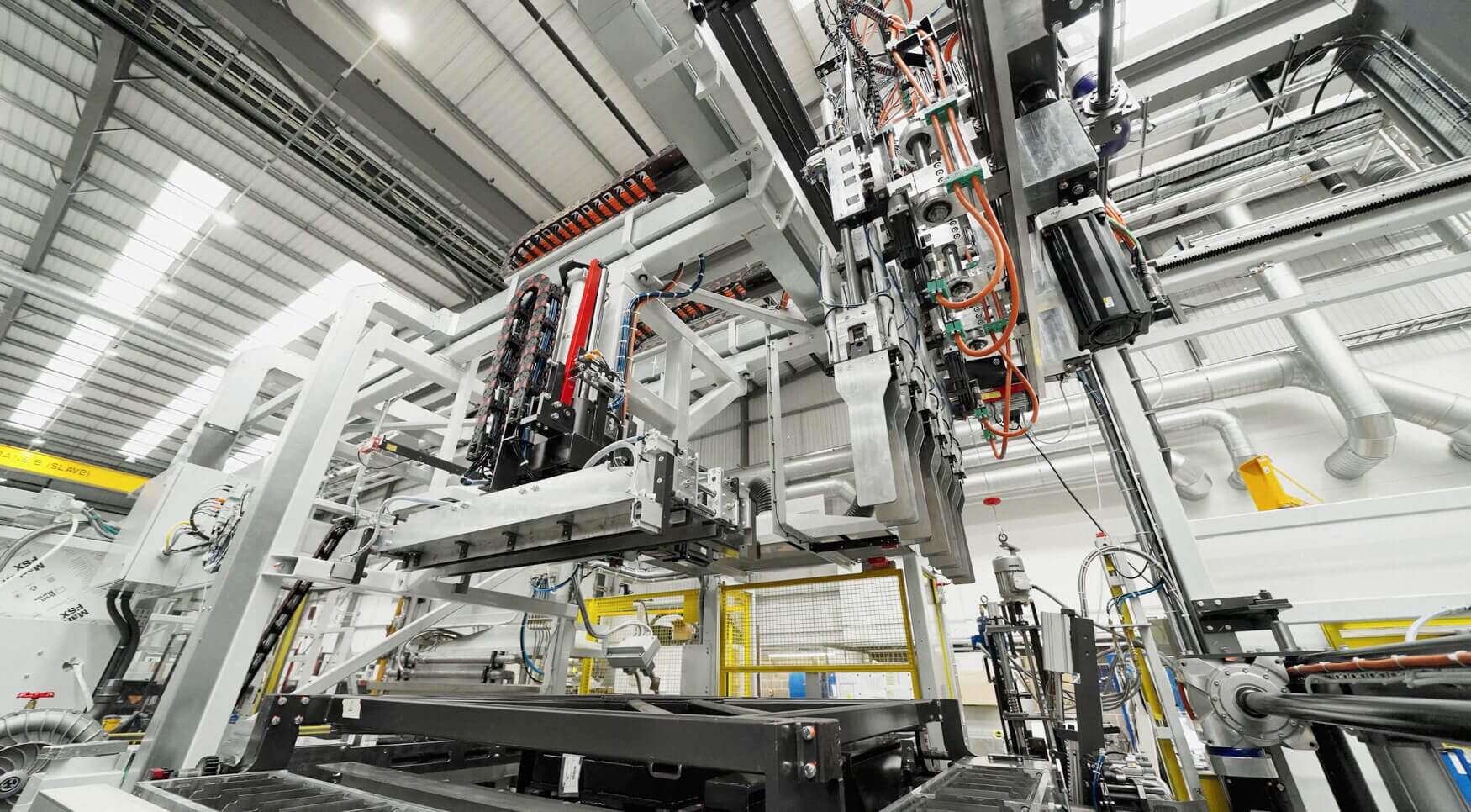
When a line changes, much of the important work happens between headline milestones. Engineers adjust tooling, operators test sequences, quality teams confirm the acceptance criteria and maintenance staff respond to small issues before they become expensive delays. A well-planned film captures those connections. Instead of presenting the new equipment as an isolated object, it explains how people, process and technology combine to achieve a stable result.
That context is particularly useful when a business is introducing automation, moving to a different product family or increasing capacity. A prospective customer may want to see the final output, but they also want evidence that the manufacturer can manage detail, control risk and repeat performance. Showing the route from preparation to first production gives the audience a more credible view of operational maturity than a polished machine demonstration alone.
Planning the Story Around the Ramp-Up
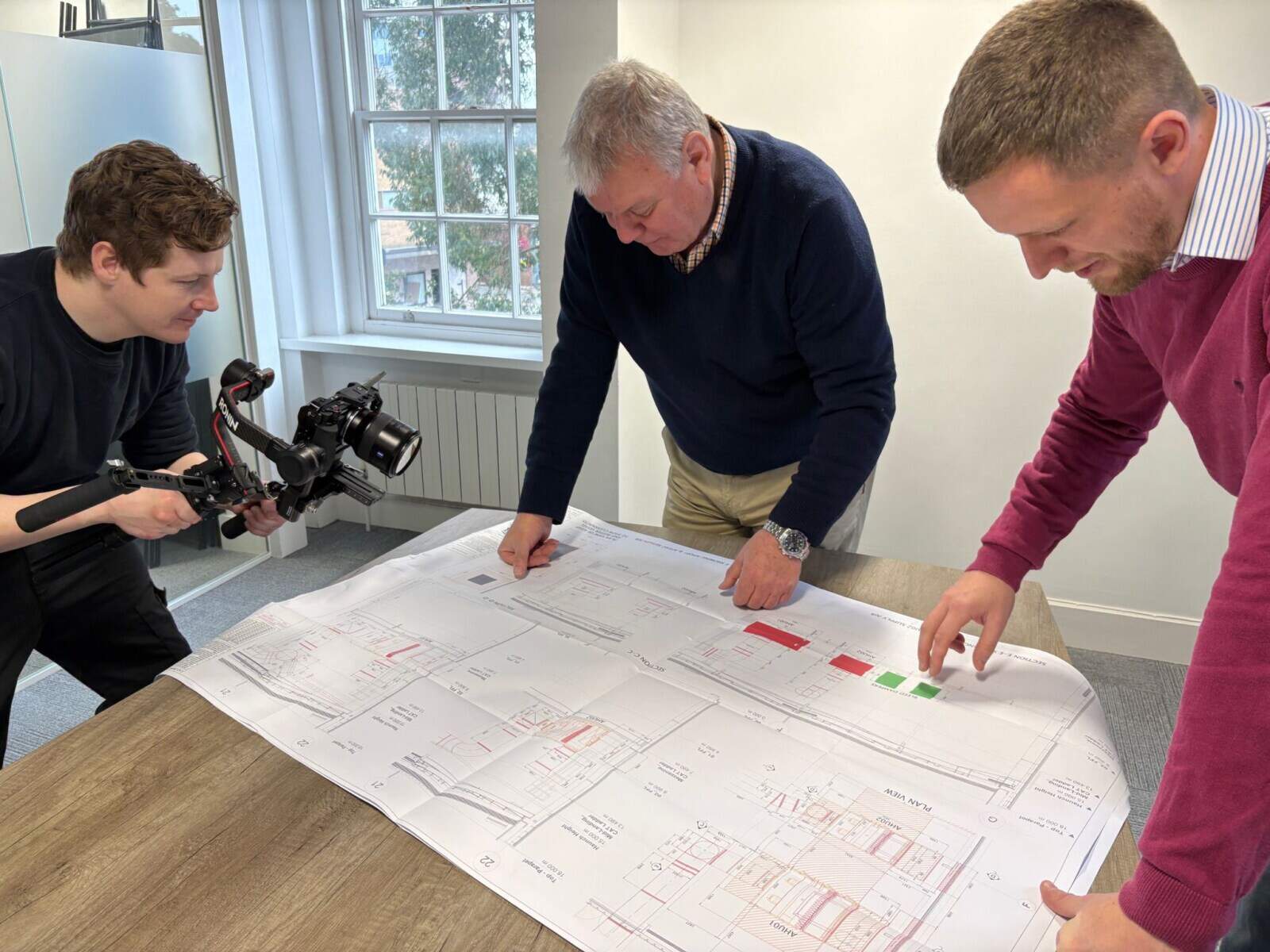
Changeover filming should begin before the scheduled switchover. A pre-production conversation with operations, engineering and communications teams can identify the moments that carry meaning: the old configuration, the incoming equipment, the installation sequence, the first trials, inspection points and the handover into normal production. This planning keeps the crew focused on evidence of progress rather than trying to improvise a narrative after the work is complete.
It also helps to build a realistic filming schedule around the factory. Some activities may happen during a short maintenance window, while others will be repeated across shifts. A practical plan can combine scheduled filming with short return visits, interviews and controlled demonstrations. That approach protects production priorities while still gathering enough material to show the full transformation. For more guidance on planning an industrial project, visit Industreel and explore the wider industrial video production service.
Making Technical Progress Easy to Understand
Technical audiences appreciate accuracy, but accuracy does not require a video to be difficult to follow. The edit can introduce the objective in plain language, then use close-up detail, wide establishing shots, process movement and concise interviews to explain what has changed. Graphics can clarify a sequence, identify a component or show where a quality check sits within the wider flow. These choices allow a viewer who was not present on site to understand the logic of the changeover.
Good sound is equally important. The rhythm of a running line, the measured explanation from an engineer and the confirmation from an operator each contribute something different. Clean dialogue and carefully chosen natural sound create a sense of place while keeping the message intelligible. If the film will be used for training or remote briefings, captions and a considered voiceover can make the content more accessible across shifts, locations and language preferences.
Creating Content That Works Beyond Launch Day
A changeover film should be designed as a useful communications asset, not a one-off announcement. The main film might explain the complete ramp-up, while shorter edits can answer specific questions: how the new line improves flow, what controls protect quality, or how operators were supported during the transition. Short vertical clips can support social channels, and selected sequences can strengthen a sales presentation or customer visit.
That modular approach also protects the investment in filming. The same production day can provide material for an internal update, a case study, a recruitment story and a future project review. Interviews can be recorded with different audiences in mind, provided the questions remain grounded in the actual work. When the language is specific and the evidence is visible, the content feels credible rather than promotional.
A Clear Record of Operational Confidence
Production line changeovers often involve pressure, uncertainty and a great deal of invisible coordination. Industrial video production makes that effort visible. By documenting the preparation, the people involved and the performance achieved, a business can communicate progress with substance and preserve knowledge that might otherwise disappear when a project team moves on.
Whether the goal is to support a customer launch, explain a capital investment or help a workforce adopt a new process, the film should reflect the same discipline as the operation it records. Start with a clear purpose, plan around the real schedule and prioritise useful detail. To discuss a project, contact Industreel with the changeover story, timing and audiences you need to reach.