Industrial businesses carry more knowledge than can be written into a manual. Experienced operators understand the sound of a healthy machine, the order of a careful set-up and the small decisions that keep production moving. When that knowledge stays with a few people, recruitment, succession planning and growth become harder. Industrial video production gives manufacturers a practical way to capture expertise and make it useful for the next generation.
A well-planned film can support an apprenticeship programme, explain a technical role to prospective candidates and preserve a process before an experienced colleague retires. It is not a replacement for supervised training or hands-on assessment. Instead, it provides a clear visual reference that helps people arrive better prepared, ask better questions and revisit important details between sessions.
Show the reality of technical work
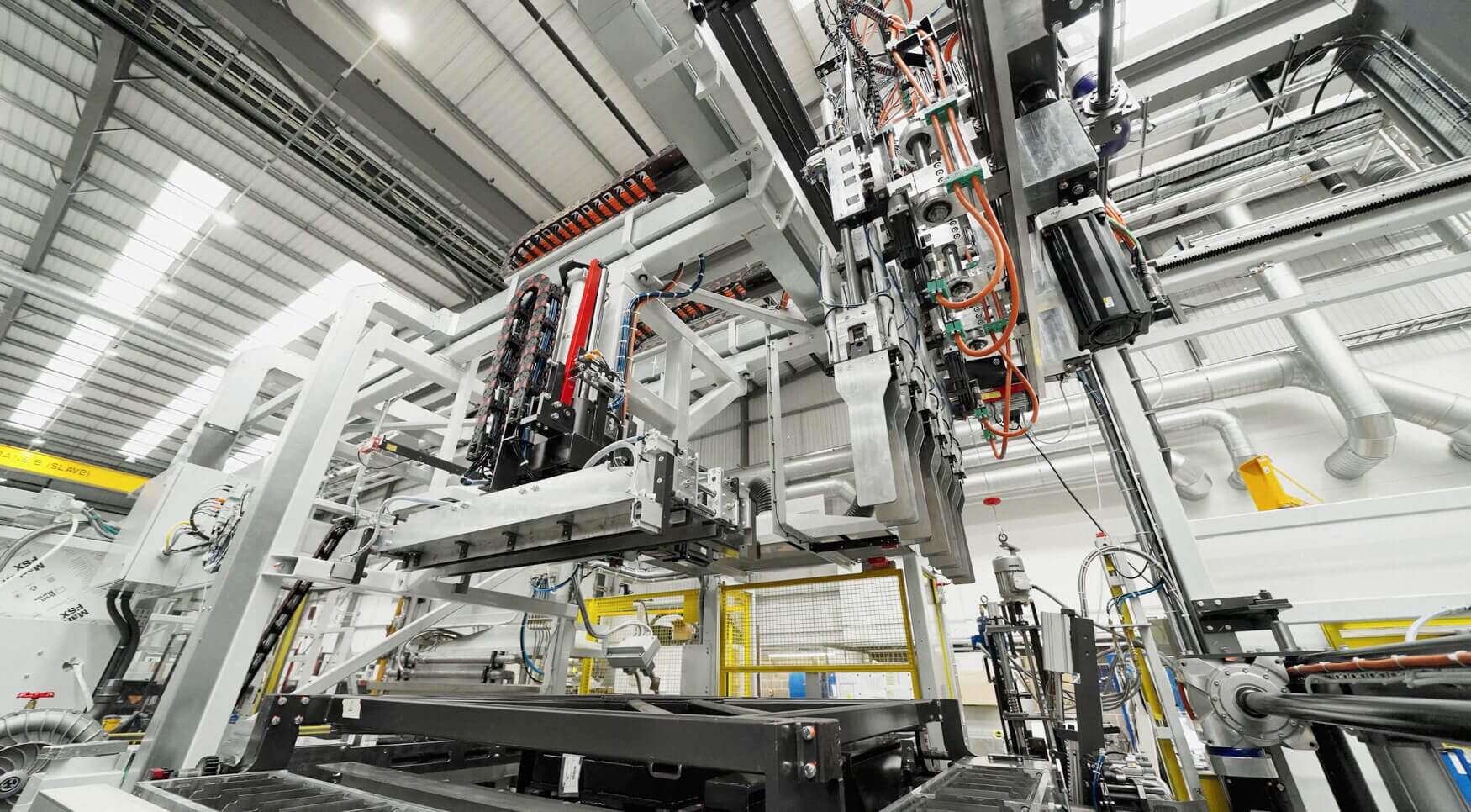
Potential apprentices often see manufacturing through a narrow lens. A job advert may mention engineering, quality, automation or maintenance, but it cannot easily show the pace, teamwork and problem-solving involved. Video can take viewers into the real environment: the preparation before a line starts, the checks carried out at a workstation, the conversations between production and engineering, and the standards that shape every decision.
Authenticity matters more than polished staging. Candidates need to see the people they may work alongside, the equipment they may learn to operate and the behaviours that make a site safe and successful. A short sequence showing a mentor explaining a set-up can communicate more than a list of benefits. It also helps employers attract people who are genuinely interested in technical work, rather than those responding only to a generic vacancy.
Turn experience into a repeatable learning resource
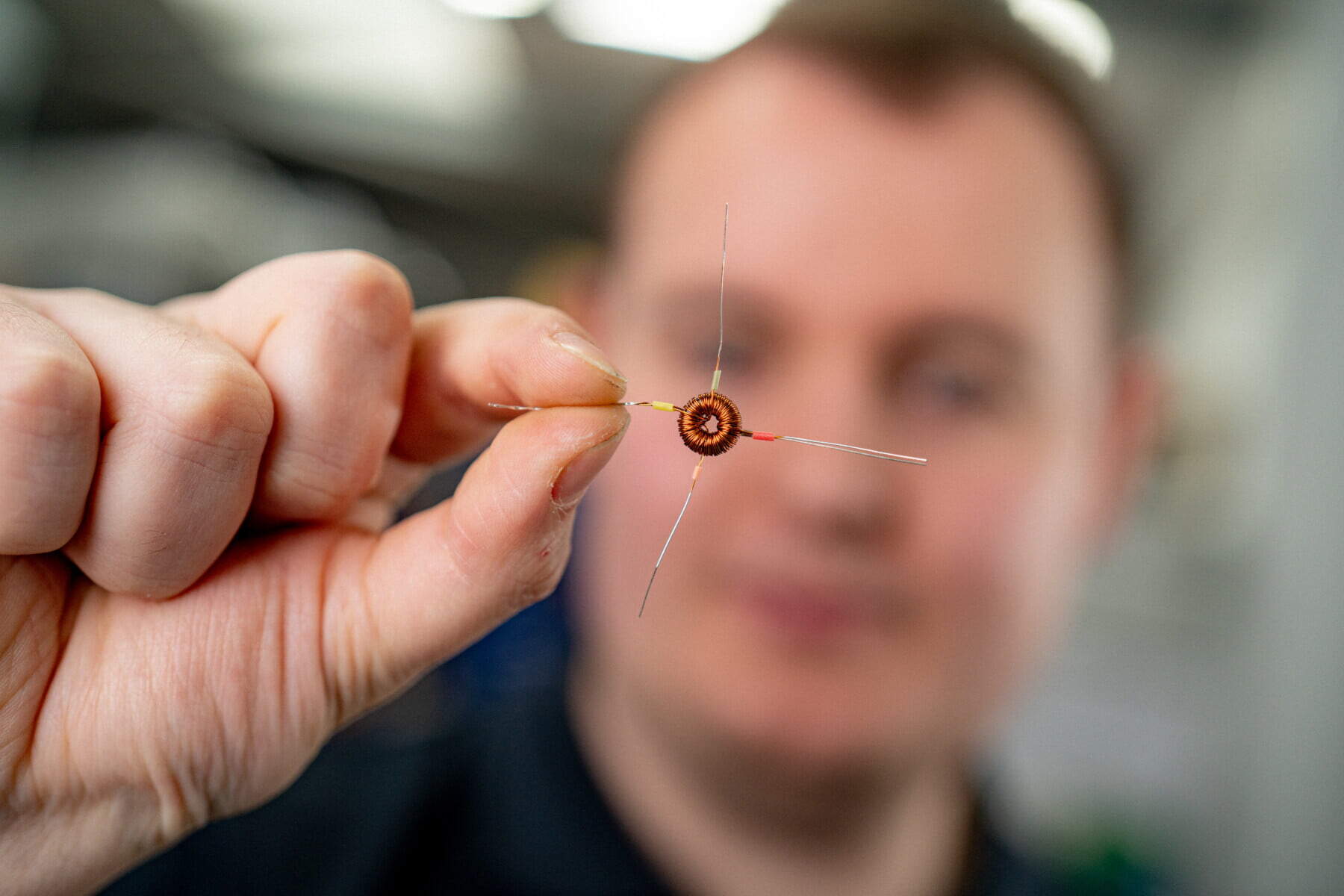
Experienced employees often teach by demonstration. They position a tool, check a reading, listen for a change and explain why a particular sequence matters. Capturing that process on film creates a resource that can be used before a practical session, during an induction or as a refresher after time away from the task.
The strongest training-led films focus on one outcome at a time. Instead of trying to document an entire department, the production team can create a set of focused modules: preparing a machine, checking a critical measurement, responding to an abnormal condition or handing work over to the next shift. Clear chapters, deliberate camera angles and straightforward language make the material easier to use. If a process changes, an individual module can be reviewed and replaced without rebuilding an entire library.
This approach also supports industrial video production for digital work instructions and process handover. Video works particularly well where movement, sequence or physical orientation is difficult to describe in text alone.
Make safety and standards visible
Apprentices need to understand not only what to do, but why the correct method matters. A film can show the relationship between preparation, personal protective equipment, isolation procedures, quality checks and escalation routes. It can make a standard feel connected to the real working environment rather than presenting it as a disconnected rule.
Safety content must be developed with the site’s responsible people. The production process should never encourage a performer to take a shortcut for the camera, and the final edit should not remove context that a learner needs. When subject-matter experts review the script and cut, the result can be both engaging and dependable. The same footage may then support induction, toolbox talks, refresher training and internal communications.
Support mentors, managers and recruitment teams
Skills development is a shared responsibility. A useful video library gives mentors a common starting point and helps managers explain what good looks like across different shifts or locations. Recruitment teams can use selected films at careers events, on a careers page or during conversations with schools and colleges. Senior leaders can use the same material to show how investment in people connects to operational resilience.
Internal links can guide viewers from a training film to a relevant service page, contact route or wider production resource. For example, a recruitment-focused film can point interested candidates towards the company’s contact page, while a customer-facing skills story can sit alongside a broader video production overview. Keeping these routes simple makes the content more useful after the film has been watched.
Plan for a video library, not a single shoot
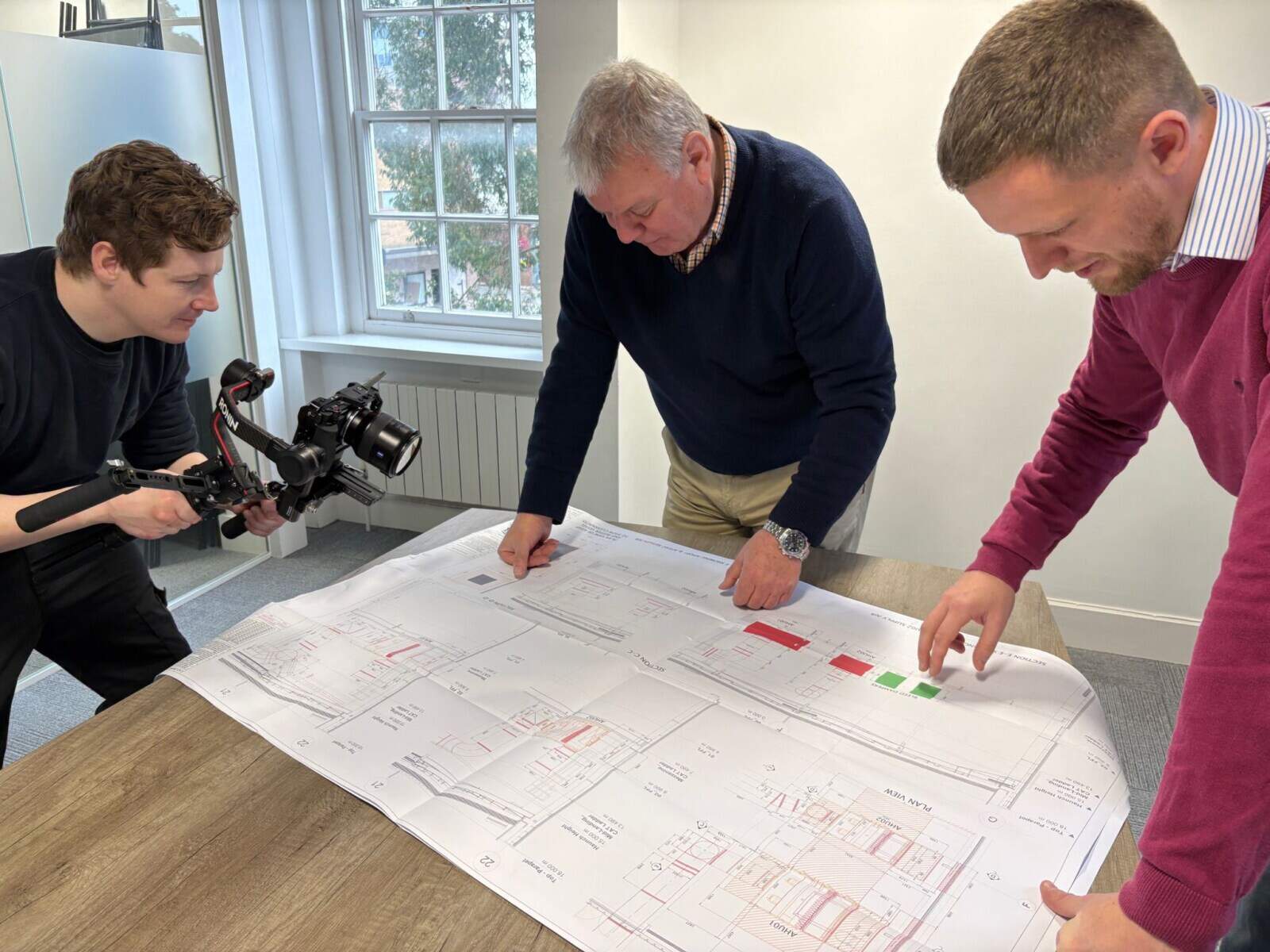
The best return usually comes from planning a family of assets before the cameras arrive. Start by listing the audiences, tasks and moments where visual explanation will remove uncertainty. Agree which content is evergreen, which details need frequent review and which contributors must be involved. A single well-organised shoot may capture interviews, demonstrations, short social edits, stills and cutdowns for different channels.
For apprenticeships and skills development, the goal is clarity, confidence and continuity. Industrial video production can help a manufacturer preserve valuable knowledge, present technical careers honestly and give learners a more consistent route into the work. With careful planning and subject-matter review, video becomes part of the training system itself: practical, reusable and grounded in the people and processes that keep industry moving.