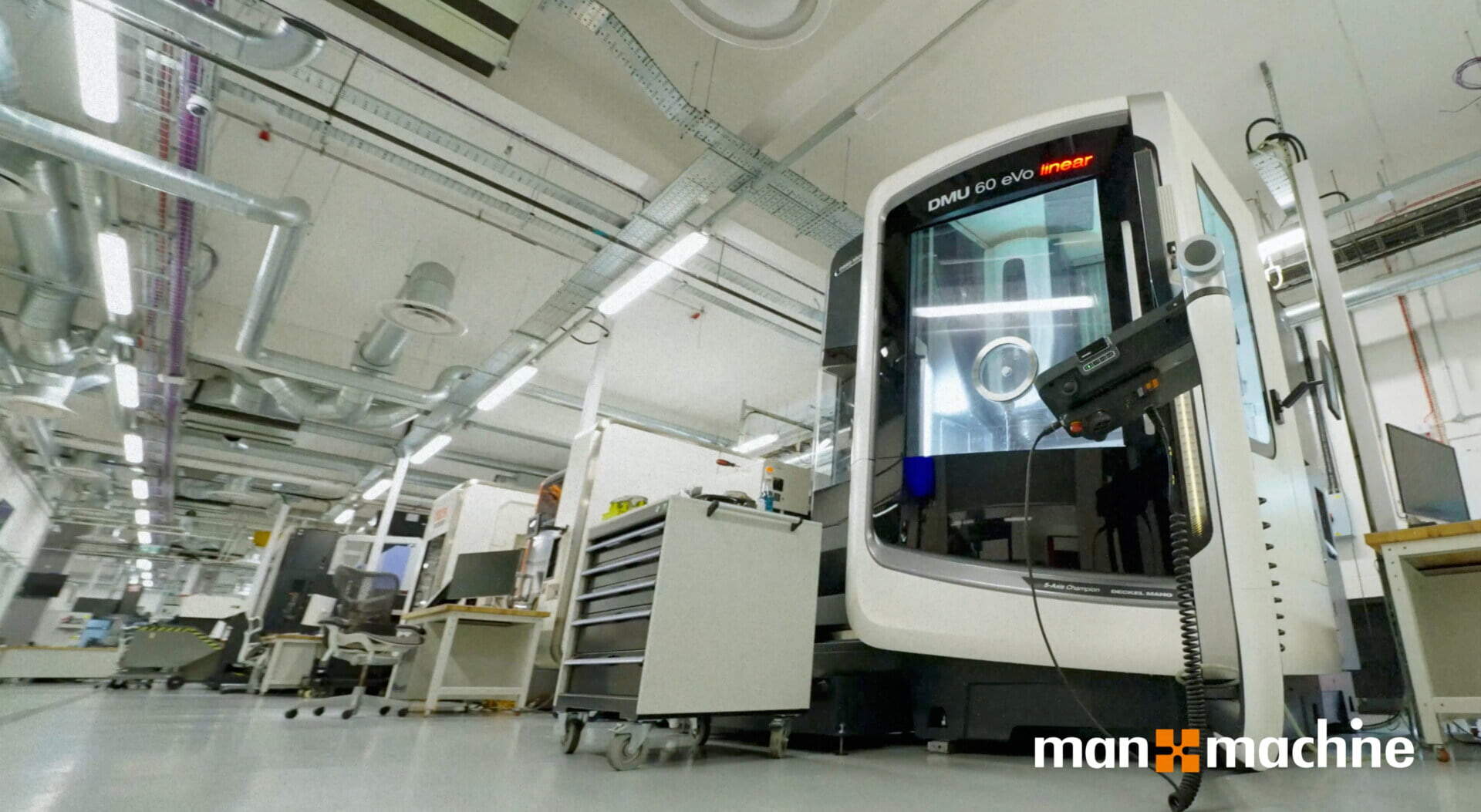
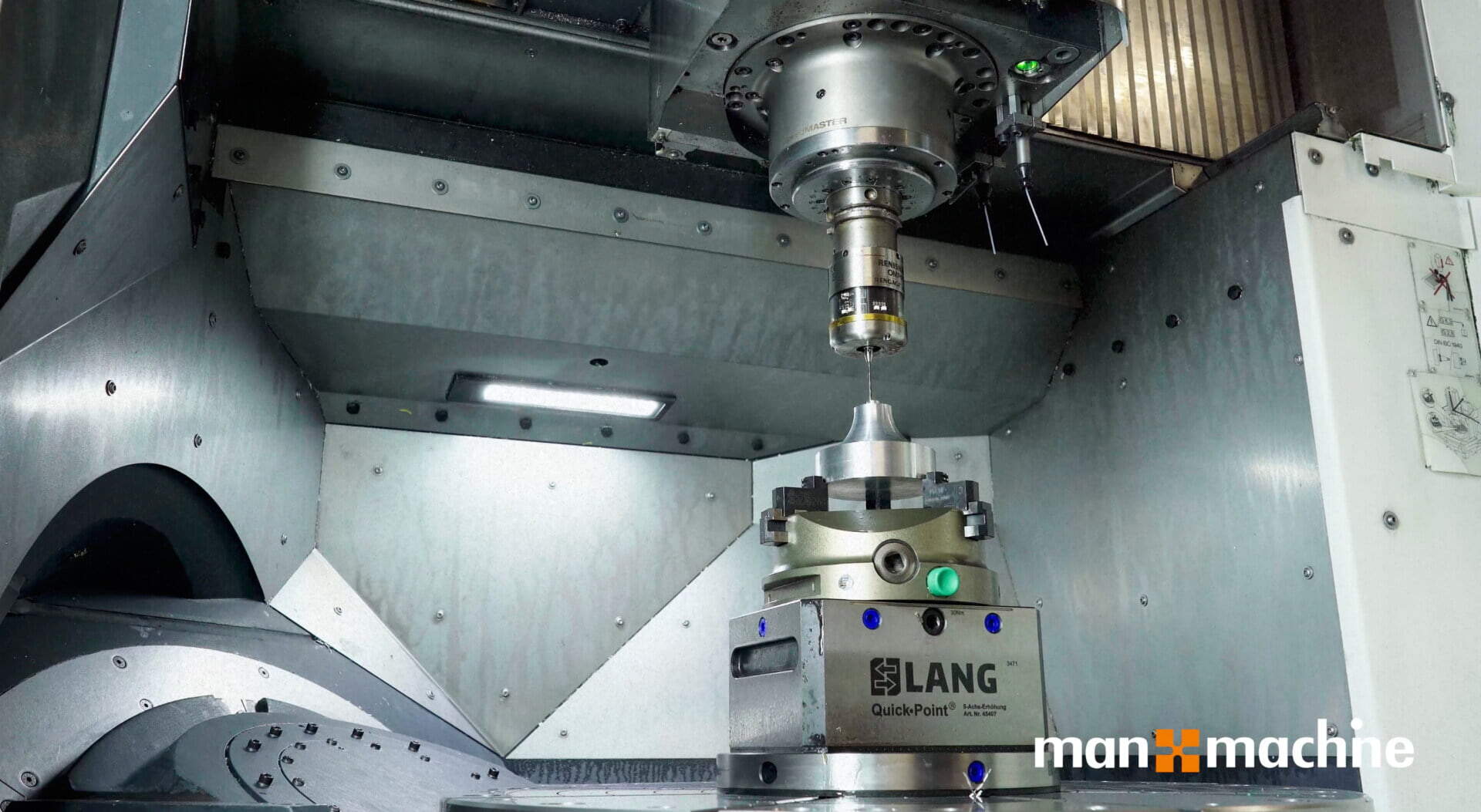
Industrial businesses are often asked to explain complex operations to people who are not standing on the factory floor every day. Directors, investors, customers, lenders and non-technical stakeholders need a clear view of progress, risk and performance, but spreadsheets and written reports can leave important context hidden. Industrial video production gives those updates a practical visual layer, showing how a site operates, what has changed and where the organisation is investing its effort.
A well-planned film is not simply a polished corporate update. It is a carefully structured record of the operation, built around the questions an audience needs answered. When the production is planned alongside reporting cycles, the finished material can support board meetings, capital reviews, customer conversations and internal alignment without asking technical teams to repeat the same explanation in several different formats.
Showing operational progress with useful evidence
Board-level audiences do not need every detail of a production process, but they do need enough evidence to understand movement. Video can show a new line progressing from installation to commissioning, a facility becoming more efficient, or a process being standardised across multiple shifts. The camera can connect a headline statement to visible proof: equipment operating, teams using a new system, material moving through a controlled route, or a completed area ready for the next phase.
This is particularly valuable for projects that develop over months. A single filming day can capture a milestone, while a planned series of updates can create a visual timeline. Consistent framing, interview questions and location coverage make it easier to compare stages of a project and communicate what has been delivered since the last report. The result is more persuasive than a collection of isolated photographs because viewers can see the relationship between investment, activity and outcome.
Making technical information understandable
Operational transparency does not mean showing everything. It means choosing the right details and explaining them in a way that respects the viewer’s time. A manufacturing video can move from a wide view of the facility to a close-up of the component, control interface or inspection point that matters to the story. Graphics, captions and measured voiceover can clarify terminology without overwhelming the audience with jargon.
Interviews are strongest when they are tied to visible activity. A project lead can explain why a change was made while the relevant equipment is shown in use. An operations manager can describe the effect on capacity while the viewer sees the revised workflow. This combination helps non-specialists understand not only what has happened, but why it matters commercially and operationally.
Building a reliable reporting asset library
One film rarely serves every reporting need. A more useful approach is to plan a library of footage during the same production schedule. The main edit might become a concise board update, while additional sequences provide short clips for a customer presentation, a tender response, an internal town-hall meeting or an investor information pack. Carefully recorded interviews can also be edited into topic-specific contributions rather than being used once and forgotten.
Good asset management starts on location. Shot lists should identify the processes, people, milestones and supporting details required for future edits. Filming should allow clean cutaways, room tone and alternative answers so the material remains flexible. When files are labelled and organised around projects or themes, teams can retrieve useful evidence later instead of commissioning a new shoot whenever a familiar question returns.
Protecting confidence through accurate storytelling
Transparency depends on accuracy. Industrial films should be honest about project status, reflect approved figures and avoid implying that a future result has already been achieved. A short review process involving operations, engineering and communications can check terminology, safety considerations and commercial sensitivity before publication. That review protects the credibility of the finished piece without turning it into a slow, over-managed production.
Location filming also needs to respect real working conditions. Crew access, personal protective equipment, restricted areas and production schedules should be agreed in advance. When the filming plan works with the site rather than interrupting it, the footage tends to feel more authentic and the business can communicate confidently without creating avoidable operational risk.
Turning visibility into better business communication
For organisations planning a new reporting series, the best starting point is a clear communication brief. Define the decisions the audience needs to make, the evidence that will support those decisions and the people who can explain the changes in plain language. Then match the filming approach to the reporting calendar, allowing enough time for permissions, interviews, graphics and review.
Industreel’s industrial video production service can help turn complex operational activity into focused, credible visual communication. For manufacturers that need a wider library of process and facility footage, manufacturing video production provides a practical foundation for ongoing updates. With the right planning, video becomes more than a presentation asset: it becomes a repeatable way to show progress, explain decisions and keep important stakeholders close to the work.