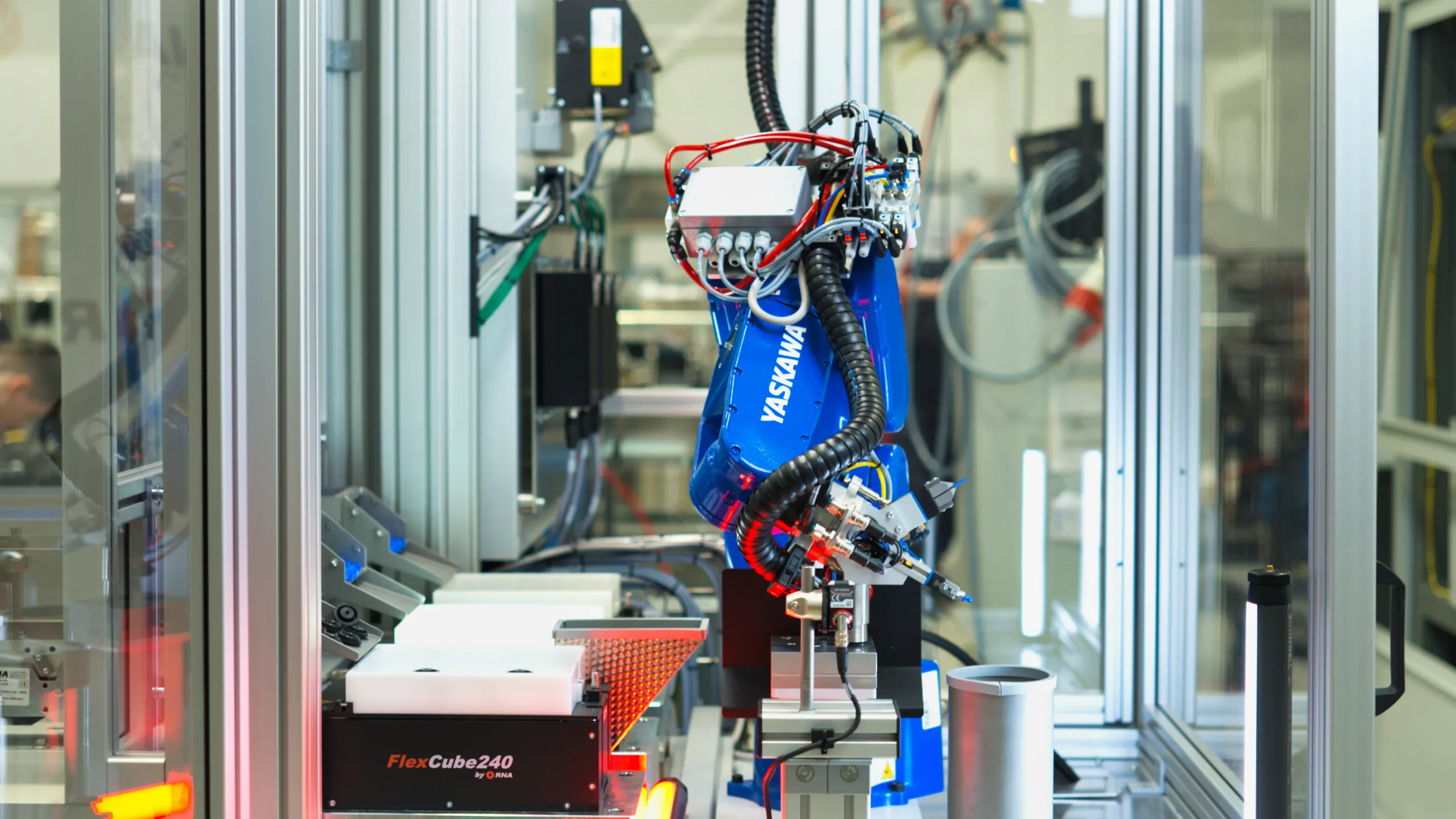
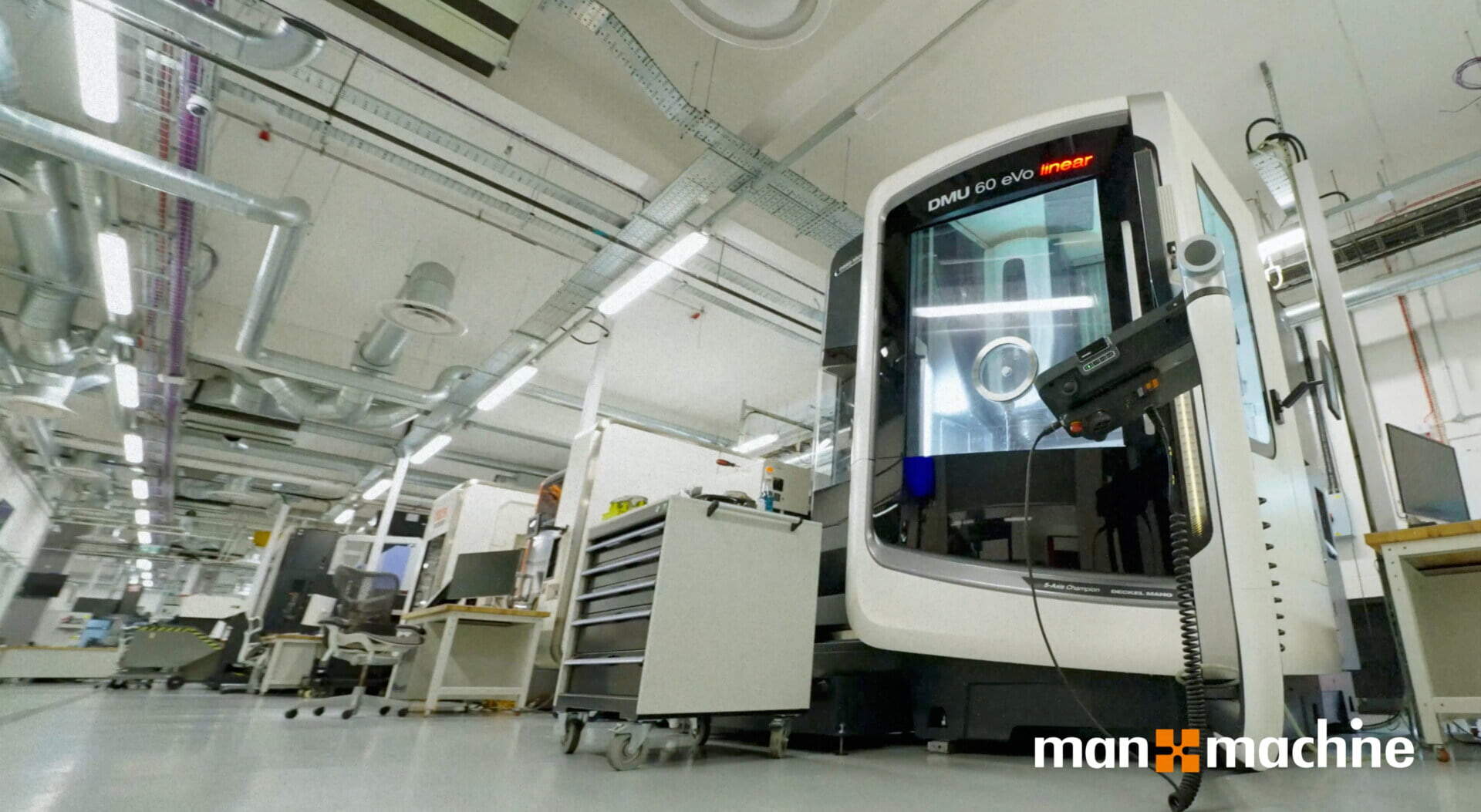
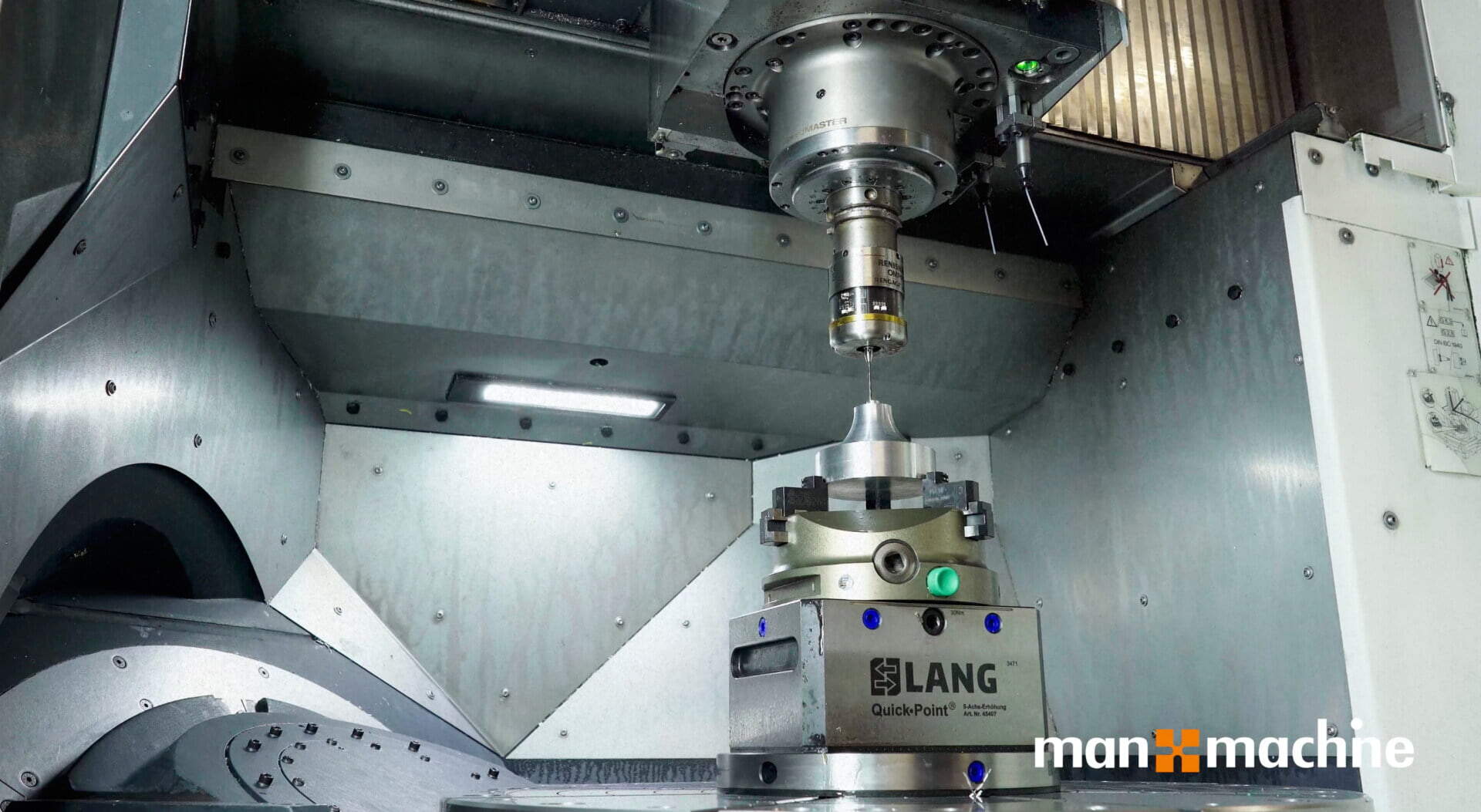
Industrial products are rarely sold on appearance alone. Buyers want to understand how a machine performs, where it fits into an existing process, and what support looks like after installation. Distributors and sales teams need to communicate those details consistently across territories, languages and levels of technical knowledge. Industrial video production can turn complex product information into a practical sales asset that helps every representative explain value with greater confidence.
Give sales teams a clear technical story
A strong industrial sales video does more than show a machine operating. It creates a logical route through the buying decision: the operational problem, the engineering response, the measurable benefit and the evidence that supports the claim. A carefully planned sequence can show material entering a line, the critical stages of production, the control points that matter and the finished result. That visual structure gives salespeople a shared narrative without forcing them to rely on improvised explanations.
This is especially useful when a product has several configurations or serves different sectors. Instead of producing a generic promotional film, a production team can capture core footage that demonstrates the platform, then plan supporting edits for distinct markets. Close-ups, process diagrams, screen recordings and interviews with technical specialists can make the final content useful to both a first-time prospect and an experienced engineer.
Make distributor training more consistent
Distributors often represent several manufacturers, so they need concise material that is easy to revisit before a customer meeting. A well-made video can introduce the product family, explain key differentiators and show the correct vocabulary for discussing performance, installation and maintenance. It becomes a repeatable training resource rather than a presentation that depends on one internal expert being available.
Good distributor content should answer the questions that arise in the field. What does the equipment replace? Which inputs and utilities does it require? Where are the access points? How is an operator expected to interact with the controls? What evidence demonstrates reliability? Showing these details on camera helps a distributor move from broad claims to useful, credible conversations. It also reduces the risk of different partners describing the same product in conflicting ways.
Show proof without overwhelming the viewer
Industrial buyers respond to evidence, but technical detail needs careful editing. A lengthy uninterrupted factory tour can hide the message beneath too much background information. Instead, the production should identify a small number of proof points and give each one a clear visual explanation. That might include a cycle-time comparison, a view of a quality inspection, a demonstration of changeover, or an interview explaining how a design decision affects uptime.
Graphics can support the footage by labelling components, highlighting the route of a process or presenting carefully sourced figures. On-screen text should remain readable and precise, while voiceover should explain what the viewer is seeing rather than repeat it word for word. This balance makes the video useful in a sales meeting, on a website and in private distributor training sessions.
Plan footage for multiple sales channels
One production can generate a family of assets when the filming plan is built around real commercial use. A main product film may sit on a landing page, while shorter edits support email campaigns, trade-show screens, social posts and sales presentations. Horizontal footage can be framed with vertical and square adaptations in mind, and clean interview recordings can be edited into short answers for common customer questions.
It is also worth planning for subtitles, translated graphics and versions without narration. International distributors may need to localise the message without arranging a new shoot. Capturing clean product sound, stable detail shots and uncluttered background plates gives editors more flexibility later. This is one reason to treat industrial video production as a strategic content project rather than a one-off filming day.
Connect the film to the buying journey
The finished video should have a clear job. A top-of-funnel film may create interest in a capability, while a technical demonstration can help a prospect compare options. A distributor-training cut may need a different pace and a deeper explanation. Agreeing the intended audience and next action before filming keeps the content focused and makes it easier to judge whether it is working.
Supporting assets can extend the value of the production. A short written summary, a diagram, a case-study page or a set of sales slides can carry the same terminology and evidence into later conversations. For manufacturers working across several sectors, manufacturing video production can provide a consistent visual standard while allowing each application to retain its own context.
Measure usefulness after launch
Sales enablement video should be reviewed as part of the sales process. Teams can record which questions disappear after prospects watch the film, which sections are replayed, and where distributors still need additional explanation. Website analytics, video engagement and feedback from account managers can reveal whether the content is attracting attention or helping a decision move forward.
The best result is not simply a polished film. It is a dependable technical resource that makes the product easier to understand, easier to demonstrate and easier to recommend. With a focused brief, disciplined filming and an edit shaped around real buying questions, industrial video production can strengthen the connection between engineering expertise and commercial growth.