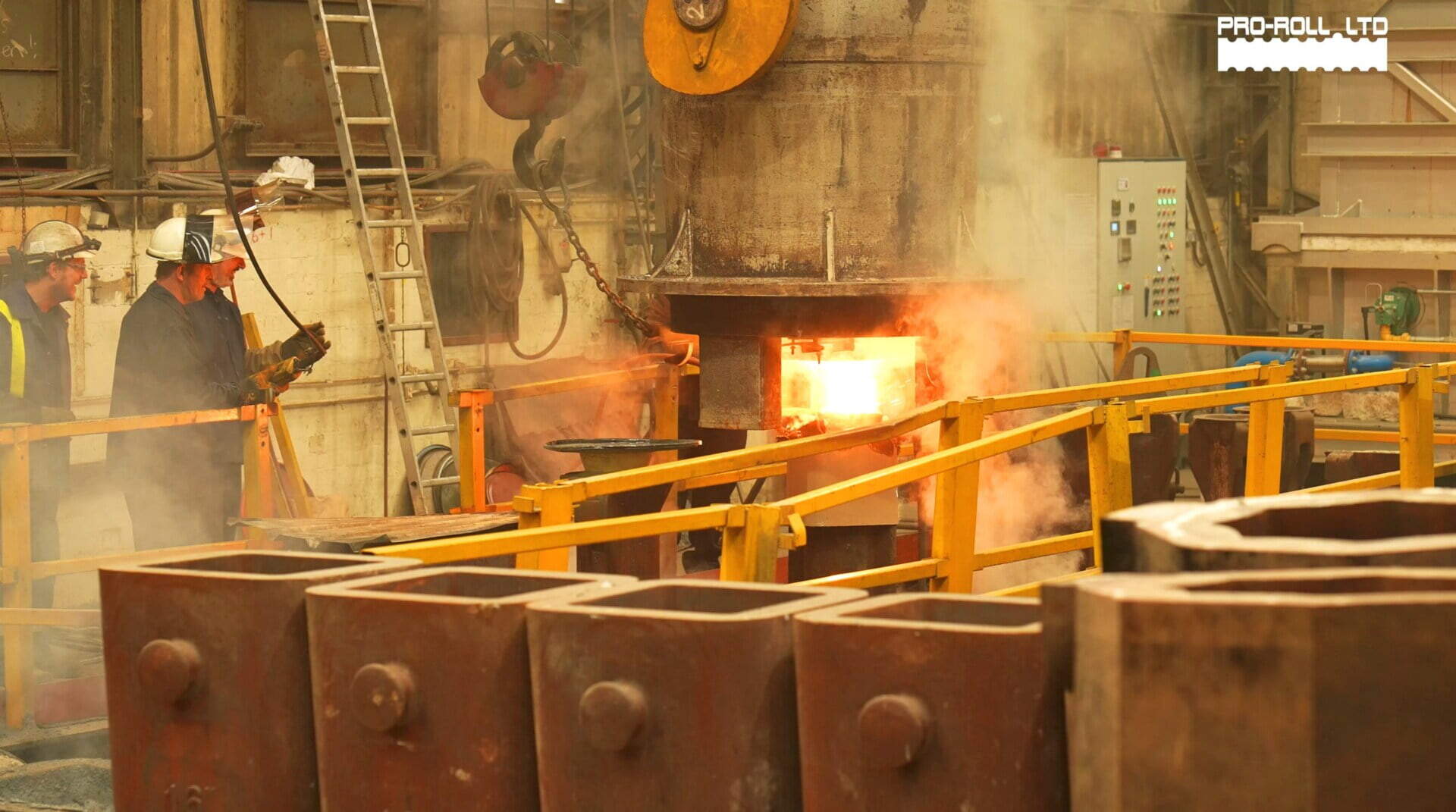
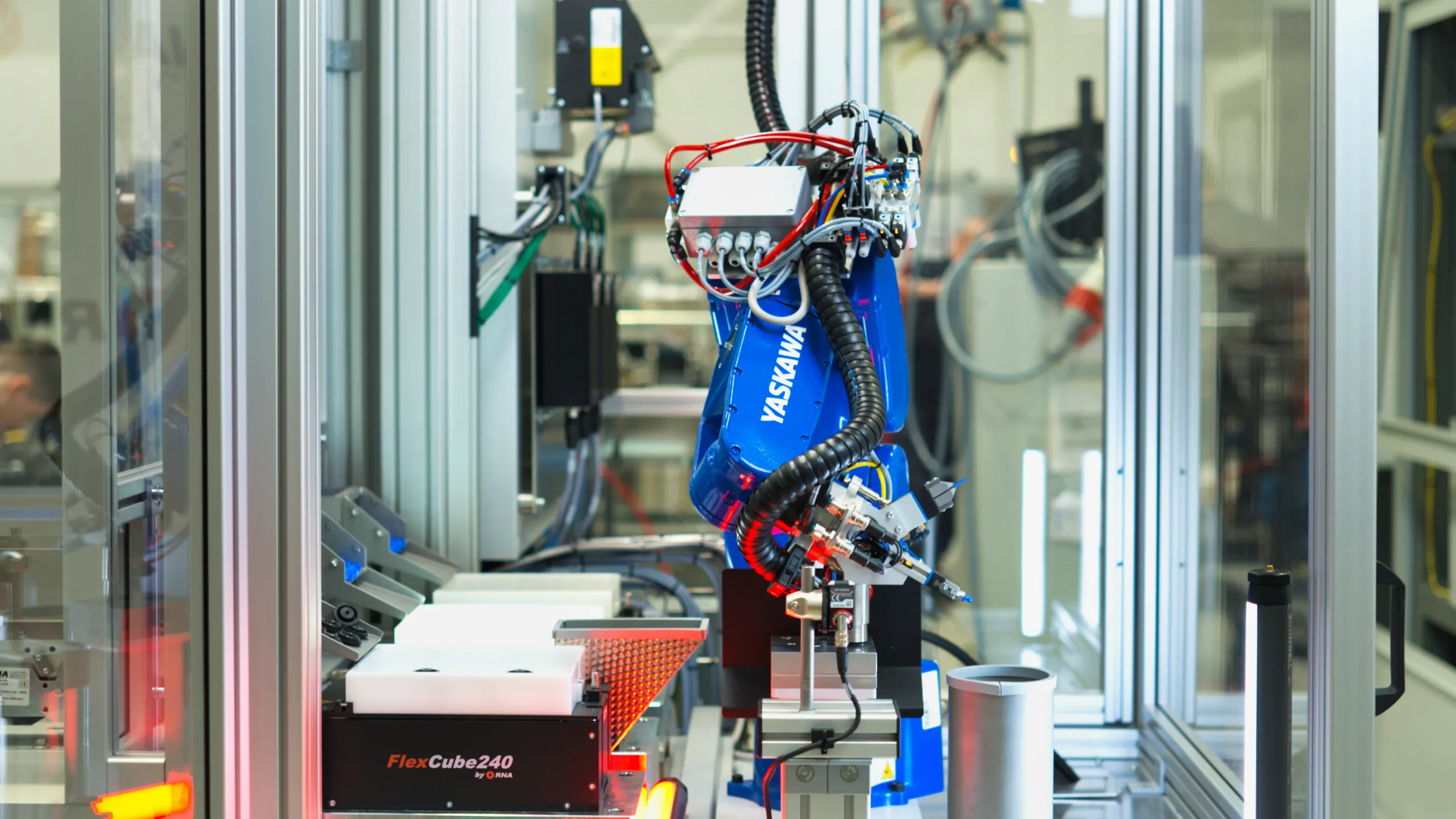
Industrial incidents rarely come from one dramatic failure. More often, they emerge from a chain of small decisions, unclear handovers, changing conditions and assumptions that were never made visible. Industrial video production can help teams examine that chain with far more precision than a written summary alone, turning an event or near miss into a practical learning resource.
Make the sequence of events visible
After an incident, people remember different parts of what happened. A supervisor may focus on the permit, an operator on the equipment response, and an engineer on the condition of the asset. Video brings those perspectives into one understandable sequence. A carefully planned reconstruction can show the work area, operating context, relevant controls and the points at which the situation began to change.
This does not mean creating a dramatic reenactment or placing blame on individuals. The strongest films use clear narration, diagrams, location footage and interviews to explain what was known at each stage. When the sequence is visible, teams can discuss decisions and system conditions rather than relying on incomplete recollections.
Support a disciplined root-cause review
A useful incident-learning film should sit alongside the formal investigation, not replace it. The production process begins with verified evidence: timelines, photographs, procedures, maintenance records and witness accounts. Those materials provide the boundaries for the script and help distinguish confirmed facts from questions that still need to be resolved.
Industrial video production is especially valuable when a root cause is distributed across departments. A short sequence might connect procurement decisions, design tolerances, maintenance planning, shift communication and frontline work practices. Showing those relationships helps viewers understand how a local action can interact with wider organisational conditions.
Visual explanations also make technical causes easier to grasp. Animated overlays can indicate pressure, flow, access routes, isolation points or control-system states without asking every viewer to interpret a specialist drawing. The aim is not to simplify the truth, but to make the truth easier to examine together.
Turn one event into repeatable learning
Incident reviews often produce valuable recommendations that are difficult to keep alive after the meeting ends. A well-structured video gives those recommendations a durable format for toolbox talks, supervisor briefings, induction sessions and contractor onboarding. Different versions can be created for different audiences while keeping the underlying facts consistent.
A leadership version may focus on assurance, resourcing and accountability, while an operator version concentrates on warning signs, stop-work decisions and escalation routes. A maintenance version can highlight inspection evidence and equipment condition. Each audience receives the practical detail it needs without being overwhelmed by material that belongs elsewhere.
Design the production around psychological safety
People are more likely to share useful information when they believe the learning process is fair. Interviews should therefore be planned with care. Contributors need to understand the purpose of the film, how comments will be used and why the emphasis is on improving systems rather than assigning personal blame.
That principle should shape the language, imagery and review process. Avoid sensational music, graphic detail or edits that make a person appear careless without context. Use neutral phrasing, protect confidential information and give technical and operational reviewers a clear opportunity to correct inaccuracies before internal publication.
Connect the film to corrective action
The finished video is most effective when every key point connects to an action. On-screen prompts can direct viewers to a revised procedure, a reporting route, an equipment check or a required conversation with their supervisor. A discussion guide can follow the film with questions such as: What warning signs were present? Which barrier failed? What would make the safe choice easier next time?
Teams can also track where the film has been used and gather feedback from the people closest to the work. That feedback may reveal a missing control, an unrealistic instruction or a part of the sequence that remains ambiguous. In this way, the video becomes part of a learning loop rather than a static communications asset.
Choose an experienced industrial production partner
Projects involving incidents and near misses require discretion, technical curiosity and strong production discipline. A partner experienced in industrial video production can work around operational constraints, collaborate with investigators and create visuals that respect both evidence and people. It is also useful to plan how the film will sit within a wider manufacturing video production programme, so lessons remain consistent across sites and teams.
When an organisation needs to explain what happened and improve what happens next, a considered video can give the conversation clarity, context and a longer life. The result is not simply a record of an incident. It is a practical tool for recognising weak signals, strengthening barriers and making safer decisions visible across the business.